A good Halloween book changes the weather around the chair.
It does not have to be graphic. It does not even have to be loud. The seasonal spell is older than the slasher image: a lamp lit before dinner, a village road filling with leaves, a window gone black by five o’clock, a house that seems to remember the people who have left it.
That is why adult readers searching for Halloween books are often asking for something more specific than “horror without gore.” They want October itself to become legible: harvest melancholy, domestic unease, old rituals, ghost-story patience, and the pleasure of being frightened by suggestion rather than assault.
Our guide to horror books without gore covers the broader craft of bloodless fear. This page is seasonal. The question here is not only “Will it scare me?” but “Will it feel right when the evenings turn early and the windows start acting like mirrors?”
Halloween Has Its Own Weather
The best adult Halloween books usually work through atmosphere before plot. They gather small physical signs until the reader’s body recognizes the season: damp wool, smoke, cellar air, apples going soft in a bowl, floorboards cooling after sunset.
That sensory field matters because Halloween is a threshold holiday. It sits between harvest and winter, childhood and adulthood, costume and confession, the living house and the house that has begun to feel inhabited by memory. Gore can interrupt that spell. A subtler book lets it deepen.
Three traditions are especially useful for October reading:
- The autumnal story, where the season itself becomes a country.
- The domestic gothic, where home is sanctuary and threat at once.
- The traditional ghost story, where restraint allows one sound in the dark to carry an entire history.
Three October Reading Machines
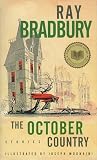
The October Country by Ray Bradbury
Ray Bradbury’s The October Country is the purest seasonal object here. The collection was published in 1955, gathering dark stories that feel less like separate shocks than rooms inside one weather system. Bradbury is interested in carnivals, lakes, fields, attics, children, old fear, and the ache that sits behind nostalgia when nostalgia has teeth.
The reason it belongs on an adult Halloween shelf is not simply that the stories are eerie. It is that Bradbury understood October as a mental landscape. His sentences make autumn feel enchanted and unstable: beautiful enough to invite you in, mournful enough to suggest that every pleasure has a shadow attached.
Read it when you want Halloween as mood, not mechanism. It is less a haunted house than a haunted calendar.
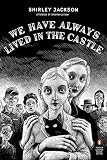
We Have Always Lived in the Castle by Shirley Jackson
Shirley Jackson’s We Have Always Lived in the Castle is Halloween by way of village suspicion and domestic ritual. Merricat Blackwood lives with her sister Constance and uncle Julian after the rest of the family has died from arsenic in the sugar bowl. Outside the house, the village watches, resents, chants, and waits.
Jackson’s brilliance is that the book feels at once cozy and poisonous. The Blackwood home is a place of meals, preserves, routines, private rules, buried objects, and protective magic. It is also a sealed system built around catastrophe. The result is not gore but pressure: the fear of community, the fear of intrusion, the fear that innocence and menace may occupy the same voice.
For Halloween, that combination is invaluable. It gives the reader candles and curtains, but also the old folk knowledge that a village can be as frightening as any apparition.
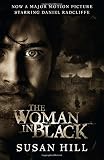
The Woman in Black by Susan Hill
Susan Hill’s The Woman in Black proves that a traditional ghost story can still work when every element is familiar. A young solicitor, Arthur Kipps, travels to Crythin Gifford to settle the estate of Alice Drablow. Eel Marsh House stands across the Nine Lives Causeway, reachable only when the tide allows. There is fog, a locked room, a rocking chair, and the remembered sound of a pony and trap in danger.
Those ingredients could be museum pieces in weaker hands. Hill makes them operational. The geography does the frightening: tide cuts off return, marsh swallows certainty, fog removes distance, and sound arrives before explanation.
This is the Halloween book to read when you want the pleasure of old rules executed with clean discipline. It reminds you that sometimes the scariest image in a story is a house you can reach only at the wrong hour.
How To Choose Your October Book
Choose Bradbury for autumn in the bloodstream: poetic, strange, carnivalesque, and half-lit by childhood memory. Choose Jackson if your preferred Halloween atmosphere is domestic, social, and quietly wicked. Choose Hill if you want a ghost story with clean architecture: causeway, fog, nursery, silence, consequence.
Readers building a longer October stack can branch outward from these three anchors. Try Gothic Fiction Books Full of Secrets and Ruin when houses and inheritance are the main appeal. Try Why Gothic Houses Never Stay in the Background when the architecture itself is what follows you. Then use the broader bloodless horror guide for fear that works beyond the season.
October Keeps Its Appointment
The pleasure of this shelf is not a test passed once and then set aside. It is a season that returns on its own schedule, whether or not a reader has prepared for it.
Bradbury, Jackson, and Hill do not compete with fright the way a slasher paperback does. They compete with waste: the risk of spending October on a book that could just as easily have been set in June. Read at the right time of year, in the right failing light, they turn a date on the calendar into a private ritual instead of a costume-shop obligation.
That is the return these books offer. Next October, the lamp goes on a little earlier, the leaves start their scraping, and the season arrives already furnished: with a haunted calendar, a hostile village, and a causeway that only opens at low tide.